Counselling and cancer
Many times in our lives, we all really feel we need someone to listen to us.
Being heard properly can be really important if you have cancer. You may find it difficult to deal with your diagnosis. And you may be feeling a bit lost amongst all the treatments and hospital appointments.
Most people feel very shocked when they are told they have cancer. It can turn your life upside down.
Things you can normally cope with may become more difficult. This includes things such as:
going to work
shopping
looking after children
socialising
doing physical activity
Things in your life may feel as though they have less meaning for you.
Your intimate relationships might change because of:
changes in how you look
the way you feel about yourself
how you communicate about your cancer
The stress you’re under may mean you can’t show your partner or children the love and attention you want. You may also find you are less patient and have a 'shorter fuse' which is a common experience.
You might have confusing and upsetting feelings, such as:
anger
sadness
loss of control of your life
worrying that your cancer could come back again after your treatment has finished
fear of dying
All of these feelings are very real and frightening. There’s only so much your mind can process at one time, so these feelings can become overwhelming.
But bottling up feelings can be draining and make living your life difficult.
Counselling allows you to explore your feelings and express them in a safe place. A counsellor can help you to find a way to make things more manageable to deal with.
When you have counselling you talk to a trained person and explore problems or issues in a safe and supportive environment.
It is very similar to psychotherapy. Whether you choose to see a counsellor or a psychotherapist, it is very important to choose a person you feel comfortable with. It is also helpful to have a little knowledge about the different types of counselling and psychotherapy.
Cognitive behavioural therapy (CBT), that focuses on thoughts and behaviours.
Psychoanalytical and psychodynamic therapies. These therapies focus on relationship patterns that you are not aware of (unconscious). These patterns usually began in childhood and reappear in the present.
Humanistic therapies, which focus on the strengths that you already have and using those.
Read more about different types of counselling
It is important that you see a counsellor or a psychotherapist who has done appropriate training. They need to have accreditation by a recognised organisation.
Some other professionals may have also been trained in counselling. These include:
GPs
nurses
psychologists
psychiatrists
social workers
But not all have. So it is important to check out counselling qualifications and accreditation.
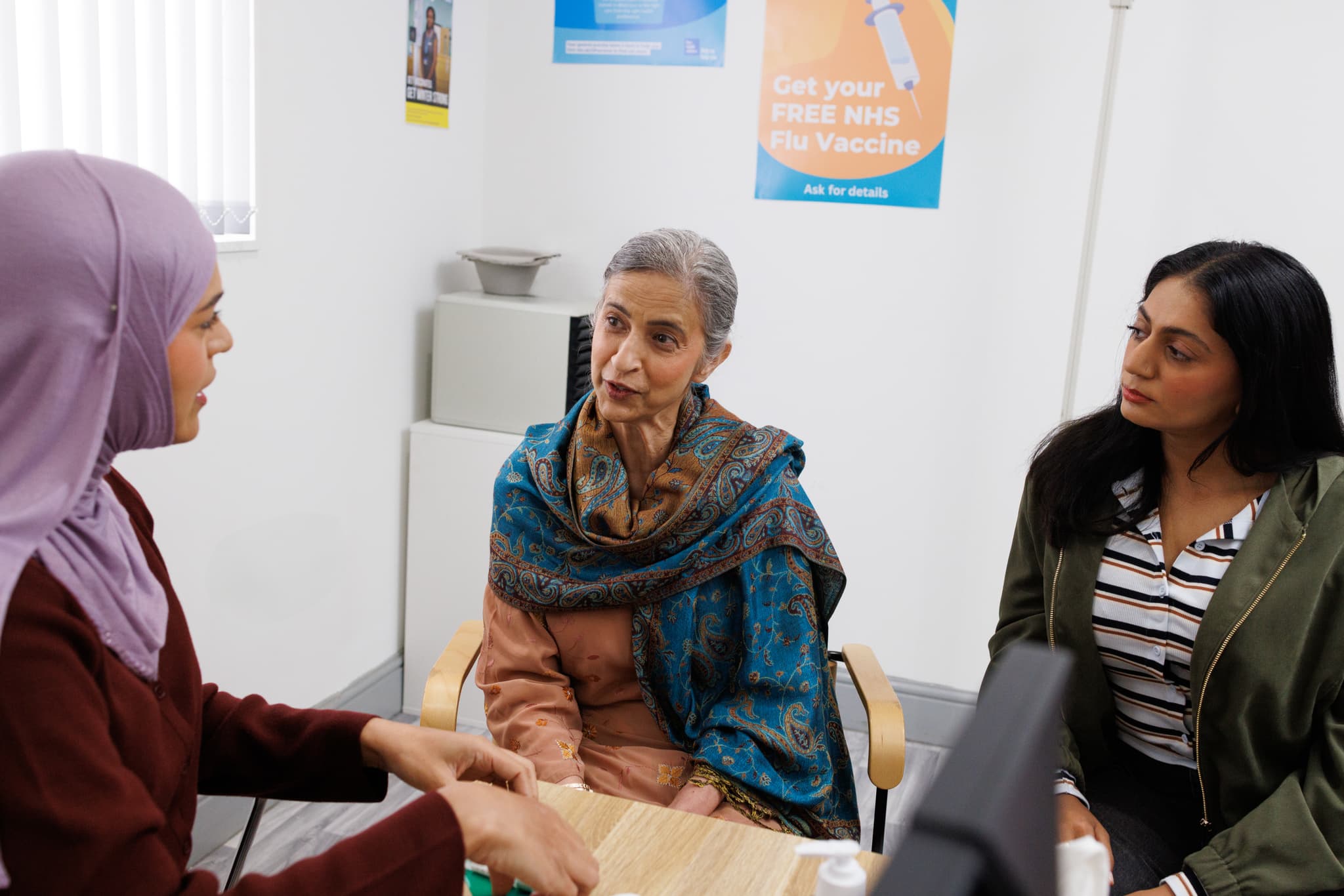
Usually, you see a counsellor for about an hour every week or fortnight.
You may have a set of sessions for a set period of time (often 6 or 8 weeks). Or you might have sessions for as long as you and your counsellor agree that you need them.
listen properly to what you are saying
help you sort out and untangle your feelings and worries
give you some insight into how you really think and feel
help you express your emotions in your own way
help you work out your own solutions to problems
help you accept what cannot be changed
help and support you while you do all this
If you are a relative of someone with cancer, you might feel that you need some time to think about yourself and how you can cope. You are bound to have feelings of your own that you don’t want to burden your sick loved one with. You may also experience many changes in your life because of the cancer.
Being able to express your feelings may help you to support your relative more effectively and help you cope better.
Last reviewed: 31 Mar 2026
Next review due: 31 Mar 2029
There are many different types of counselling. Find the one that you feel is best for you.
Counselling can help you come to terms with your cancer. Understanding what it is and how it can help, can help you decide if it is right for you.
After a diagnosis of cancer, you might have a range of feelings including fear, sadness, anxiety and depression. These are normal responses to a stressful life experience.
There are things you can do to help yourself manage your feelings and emotions.
Whether you are someone with cancer or a carer for someone with cancer, we want you to know that it is common to struggle with your mental health when dealing with a cancer diagnosis. But there are people who can support you during this time and things you can do to help yourself.