
Nearly 1 in 2 people will get cancer in their lifetime*. All of us can support the research that will beat it.
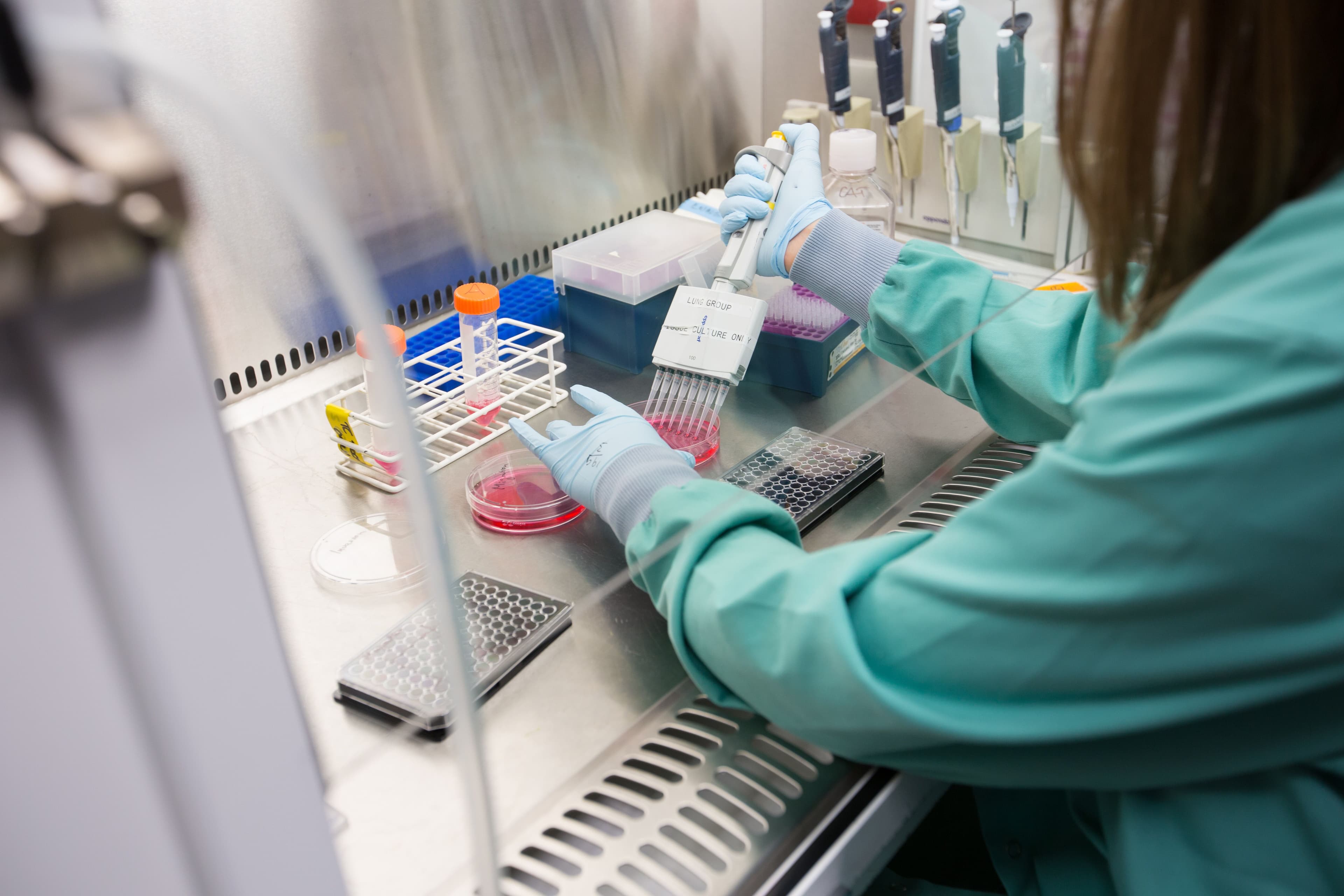
Law Beats Cancer harnesses the power of law firms, barristers' chambers, GC networks and other institutions to organise and host prestigious events to bring lawyers and clients together to network, raise awareness and raise funds to support cancer research.
Law Beats Cancer will be a long-term fundraising initiative for the legal profession on behalf of Cancer Research UK. We aim to build a long-term charity brand linking all parts of the legal profession.
Over the last 50 years, Cancer Research UK’s work has helped double cancer survival in the UK. Every pound raised supports our life-saving research.
For more information or to get involved, please contact info@lawbeatscancer.org, you can also donate to Law Beats Cancer here.

There are lots of different ways you can get involved.
Join our existing Law Beats Cancer board - Our inaugural Law Beats Cancer board is actively looking for members.
Register an interest on behalf of your law firm or chambers.
No matter how you choose to support us, our team is here to guide you every step of the way, offering everything from advice to event delivery support.

Our inaugural Law Beats Cancer board is forming in London and actively seeking new members to contribute their expertise and help shape its future.
Thanks to advances in cancer prevention, diagnosis and treatment, more than one million deaths have been avoided in the UK since the mid-1980s.* But we have so much more to do. Every pound raised helps power progress.

8 in 10 people who receive cancer drugs on the NHS in the UK receive a drug developed by us*.
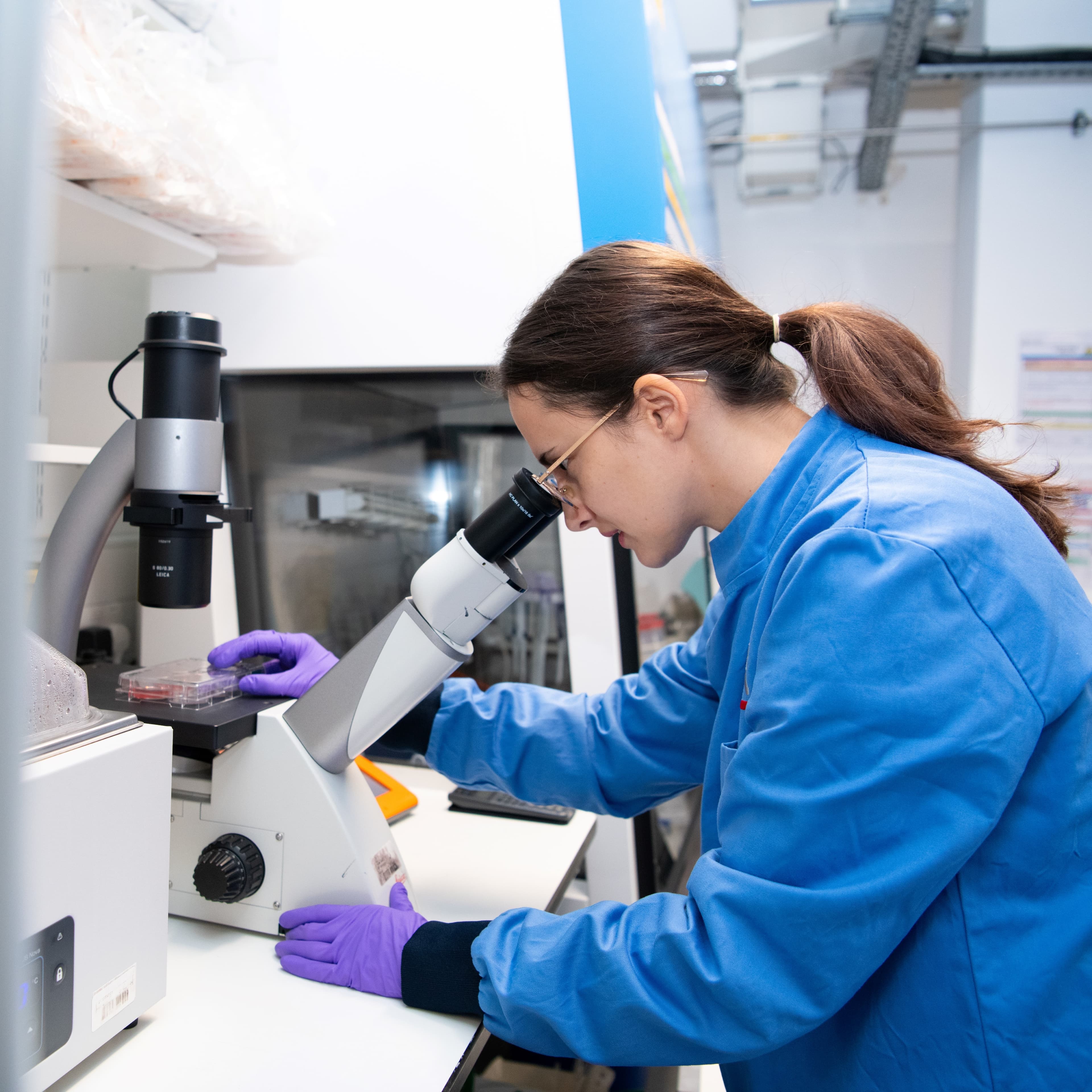
We helped fund cutting-edge research that discovered two sub-types of prostate cancer using AI.

We are co-funding trailblazing researchers to help develop the worlds first vaccine to prevent lung cancer.
Find out about the other board types you can get involved with.
*cruk.org/lifetimerisk
*The mid-1980s is when cancer mortality rates started falling. If they’d remained at their peak levels, there would have been more than a million additional deaths between then and now.
