About Cancer
Vaginal cancer starts in the vagina when abnormal cells start to divide and grow in an uncontrolled way. The vagina is part of the female reproductive system.
Find out more about cancer and how it starts
The vagina is the elastic, muscular passage that leads from the neck of the womb (cervix) to the vulva. It is about 7.5 to 10cms long. The cervix is at the bottom of the womb. The vulva is on the outside of the body and forms the skin folds around the entrance to the vagina.

The vagina is the opening that allows blood to drain out each month during your menstrual period. The walls of the vagina are normally in a relaxed state. They touch each other and contain many folds. Small glands in the cervix produce mucus to keep the vaginal lining moist.
The vagina opens and expands during sexual intercourse. It also stretches during childbirth to allow the baby to come out.
This video shows more detail about the vagina and the rest of the female reproductive system. It is 1 minute and 50 seconds long.
The vagina is made up of tissue layers, including:
epithelial tissue – a thin layer made up of that line the vaginal wall
connective tissue – a layer underneath the epithelium, made of fibrous tissue with muscle, lymph vessels, and nerves
Most vaginal cancers starts in the squamous cells. These are called squamous cell carcinomas. A rarer type starts in the gland cells in the lining of the vagina. This is called adenocarcinoma.
Cancers that start in the connective tissue of the vagina are extremely rare. They are called sarcomas. Other rare types include vaginal melanoma and vaginal lymphoma.
There are lymph nodes (also called lymph glands) around the vagina. They’re small bean shaped glands that are part of the lymphatic system. They drain fluid from the tissues around the vagina. They also help to control infection by trapping and killing bacteria and viruses.
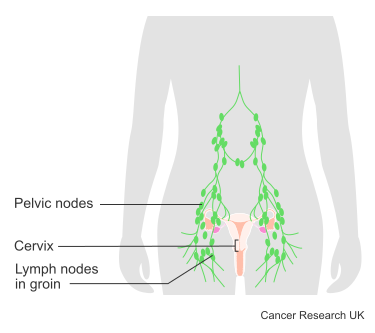
The nearest lymph nodes are usually the first place that cancer cells reach when they break away from a tumour. Your specialist may remove some lymph nodes during surgery. A specialist called a pathologist examines them for cancer cells.
Checking lymph nodes is part of staging the cancer. The stage of a cancer is important. It helps doctors to decide the most suitable treatment.
Read more about lymph nodes and the lymphatic system
Vaginal cancer is very rare. Around 300 women are diagnosed in the UK each year.
Cancer can sometimes start in another place in the body and spread to the vagina, such as:
cancer of the cervix
womb cancer
bowel cancer
vulval cancer
This isn’t the same as cancer starting in the vagina.
Cancer starting in the vagina is known as primary vaginal cancer. Cancer that has spread from another place in the body is called secondary cancer.
Vaginal cancer can happen in women and some trans men and non-binary people (who are born female).
We don't know the exact causes of vaginal cancer. It is more common in older women. In the UK, more than 35 out of 100 (more than 35%) of new cases are in women aged 75 and over. It is very rare in women younger than 40.
One cause of vaginal cancer is long lasting (persistent) infection of certain types of the (HPV). HPV is a common virus. In most people, the immune system clears the infection without any problems.
The main symptom of vaginal cancer is bleeding in between your periods or after the menopause.
We don’t know what causes most vaginal cancers. But there are some factors that may increase your risk of developing it including older age and certain infections.
You usually start by seeing your GP. They will examine you and might refer you for tests or to a specialist. Learn why there is no national screening programme for vaginal cancer in the UK.
You have a number of tests to check for vaginal cancer. This includes an examination of your vagina and taking a sample of tissue called biopsies.
The stage of a vaginal cancer tells you how big it is and whether it has spread. The grade means how abnormal the cells look under the microscope. Doctors usually use the International Federation of Gynaecology and Obstetrics (FIGO) staging system for vaginal cancer.
The type of vaginal cancer you have depends on what type of cell it started in. Squamous cell is the most common type of vaginal cancer.
Your treatment depends on a number of factors including the type and stage of cancer and where the cancer is in your vagina. The two main treatments for vaginal cancer are radiotherapy and surgery.
Research is looking into treatments for vaginal cancer and the side effects of treatments. Talk to your specialist about any trials you might be able to take part in.
Last reviewed: 07 Mar 2025
Next review due: 08 Mar 2027