Soft tissue sarcoma cancer
Soft tissue sarcomas are cancers that develop in the connective and supporting tissues in the body. These include:
fat
muscle
blood vessels
deep skin tissues
nerves
tendons and ligaments
the tissues around the joints
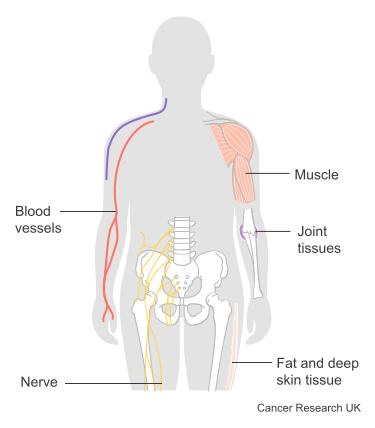
Together, these tissues are known as connective tissues. They connect, support or surround other structures or organs in the body.
The bones are also a supporting tissue. There are different types of sarcoma that affect the bones. These can be treated differently.
Read more about primary bone cancer
Soft tissue is in all parts of the body. So soft tissue sarcomas can develop and grow almost anywhere. If a sarcoma is not treated, the cells continue to divide and the sarcoma will grow in size.
The growth of the sarcoma causes a lump in the soft tissues. This can cause pressure on any body tissues or organs nearby.
Sarcoma cells from the original area may break away. If the cells get into the bloodstream they can spread to other areas of the body. These cells can then form new areas of sarcoma, which are known as secondary cancers or metastases.
Sarcomas most commonly spread to the lungs. Sometimes they may spread to the bones.
There are many different types of soft tissue sarcoma. Depending on the type, they have different:
behaviours
risks
outcomes
The type depends on the type of cell that the cancer started in.
Read more about different types of soft tissue sarcomas
Soft tissue sarcomas are most common in older people. But compared to most other cancer types, it is also quite common in younger people.
We don’t know what causes most soft tissue sarcomas, but there are some factors that may increase your risk of developing it. Having any of these risk factors does not mean that you will definitely develop cancer.
Soft tissue sarcomas are rare cancers. Around 4,300 people are diagnosed with soft tissue sarcoma each year in England. That’s around 12 cases diagnosed every day.
Last reviewed: 20 May 2024
Next review due: 20 May 2027
We don't know what causes most soft tissue sarcomas. But some factors may increase your risk of developing it. Having any of these risk factors does not mean that you will develop cancer.
The most common symptoms include a lump that's painless, increasing in size, or pain or soreness as the lump grows and presses against nerves and muscles.
You usually start by seeing your GP. They will examine you and might refer you for tests or to a specialist.
Survival depends on many factors including the stage and type of your cancer. Find our the survival information for soft tissue sarcoma.
Soft tissue sarcomas are cancers that develop in the supporting tissues of the body. These include tissues such as the muscle, nerves, fat and blood vessels.

About Cancer generously supported by Dangoor Education since 2010. Learn more about Dangoor Education


Search our clinical trials database for all cancer trials and studies recruiting in the UK.

Connect with other people affected by cancer and share your experiences.

Questions about cancer? Call freephone 0808 800 40 40 from 9 to 5 - Monday to Friday. Alternatively, you can email us.
