Ascites (fluid in the abdomen)
Ascites (pronounced aye-site-eez) is a build up of fluid in the tummy (abdomen). Your abdomen contains many organs including your:
stomach
bowel
pancreas
liver
kidneys
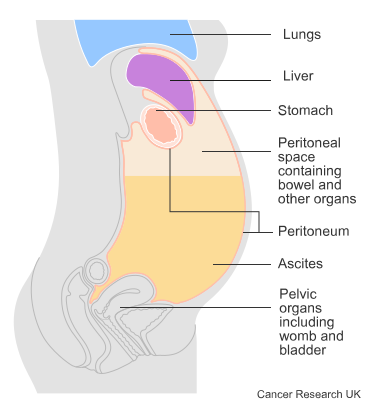
They are all in the peritoneal space. This is lined with a sheet of tissue called the peritoneum. The peritoneum is made up of 2 layers. One lines the wall of the peritoneal space. The other covers the organs.
The layers produce a small amount of fluid. This lets your organs slide around slightly as you move. Sometimes the fluid builds up between the 2 layers, which makes your abdomen swell. This can be very uncomfortable. The fluid build up is called ascites.
The diagram below shows ascites in a woman.
Cancers that can cause ascites include:
ovarian cancer
womb cancer
bowel cancer
stomach cancer
pancreatic cancer
liver cancer
These organs are all in your abdomen.
Ascites can also be caused by in the peritoneum. And by cancers that start outside of your abdomen including:
lung cancer
breast cancer
Find out more about these types of cancer
Fluid can build up in your abdomen when:
cancer cells irritate the lining of your abdomen and make it produce too much fluid
lymph glands in your abdomen get blocked - this means the fluid can’t drain properly
cancer has spread to your liver - this raises the pressure in nearby blood vessels so fluid gets forced out of them
your liver can’t make enough blood proteins so fluid leaks out of your veins into the abdomen
Other conditions that can cause ascites include:
liver disease
heart disease
some infections including
It can also be a side effect of some cancer drugs.
Ascites can make your tummy feel tight and very uncomfortable. It often develops over a few weeks. But it might happen over a few days.
It puts pressure on the organs in your abdomen. It can also put pressure on your which is at the top of your abdomen. This can affect your lungs.
The pressure may lead to:
your clothes feeling tighter - you may need a bigger belt size
bloating
abdominal pain
back pain
difficulty sitting comfortably and moving around
loss of appetite
indigestion
constipation
needing to pass urine often
breathlessness
tiredness and weakness (fatigue)
feeling or being sick
You may not have all of these symptoms. But it is important to speak to your doctor or specialist nurse (CNS) if you have any of them.
Your doctor examines you and asks about your symptoms. They may ask you to have some tests to find the cause of the swelling. These might include:
an ultrasound scan
blood tests to check your general health and how well your liver and kidneys are working
a CT scan
having a sample of the fluid taken from your abdomen (paracentesis) to check for cancer cells or infection
Your doctor puts local anaesthetic in your skin to numb the area. Then they put a needle into your abdomen to take a sample of fluid. This can be uncomfortable but it isn’t usually painful. They may use an ultrasound scan to guide them.
They draw out some of the fluid and send it to the laboratory to check for cancer cells.
Normally they leave a tube in your abdomen for a few hours so the rest of the fluid can drain out.
Last reviewed: 08 Apr 2024
Next review due: 08 Apr 2027
The main treatment for ascites is draining the fluid. This is called an abdominal paracentesis. Your doctor may also give you medicines to help get rid of the fluid. Or you might have cancer drugs to try to control the cancer, which may stop the fluid building up.
If the ascites comes back after you have had it drained, your doctor may recommend a long term drain. This can stay in for several months. You might be able to drain the fluid yourself. Or a nurse may go to your home to do it.
There are lots of organisations and support groups to help you cope with the symptoms and side effects caused by cancer and its treatment. There is also more details of support groups on the resources page of each cancer type.
Search for the cancer type you want to find out about. Each section has detailed information about symptoms, diagnosis, treatment, research and coping with cancer.
Find out about tests to diagnose cancer and monitor it during and after treatment, including what each test can show, how you have it and how to prepare.
Ascites is a build up of fluid in the abdomen (tummy). It can be caused by some types of cancer. Doctors can treat ascites. But unfortunately, having ascites normally means you have advanced cancer.

About Cancer generously supported by Dangoor Education since 2010. Learn more about Dangoor Education



Search our clinical trials database for all cancer trials and studies recruiting in the UK.

Connect with other people affected by cancer and share your experiences.

Questions about cancer? Call freephone 0808 800 40 40 from 9 to 5 - Monday to Friday. Alternatively, you can email us.
