Types of bowel problems
Long term or chronic constipation can lead to faecal impaction. Chronic constipation means difficulty having a poo that can last for several weeks or longer.
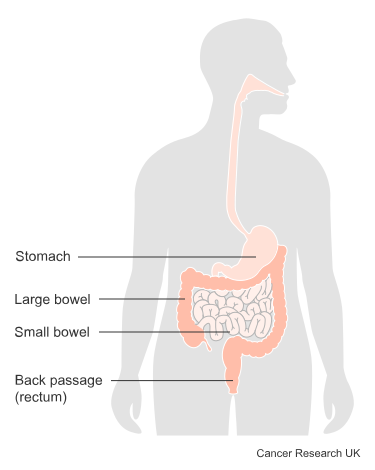
One main symptom of faecal impaction, is overflow diarrhoea. The constipated poo in your bowel is so hard that you can’t push it out. So your bowel begins to leak out watery poo. The watery poo passes around the blockage and out of your bowel opening (anus). The leakage can soil your underwear and appear like diarrhoea.
The main causes of faecal impaction are similar to those of constipation. Some of these include:
side effects from painkilling medicines such as
lack of exercise over a long period of time
too little in your diet
not drinking enough fluids
long term use of
depression and anxiety
The symptoms of faecal impaction are similar to the symptoms of constipation. But other more serious symptoms can occur. These include:
back pain due to the mass of poo pressing on the nerves in your lower back (the sacral nerves)
a swollen tummy (abdomen)
a high or low blood pressure
a fast heart rate
dizziness
sweating
a high temperature (fever)
severe diarrhoea that you have no control over
feeling and being sick
severe tummy pain
dehydration - you may feel dizzy, light-headed, or tired, or have a dry mouth, lips, and eyes, and pass small amounts of pee infrequently (less than three or four times a day)
swelling around the rectum
a numb feeling around the anus
bleeding around the anus
Find out more about the symptoms of constipation
Your doctor or nurse will assess you first before they treat you. The usual treatment for faecal impaction is a laxative. There are different types and ways of having them.
One type is a laxative to help soften the poo to make it easier to pass. This is usually a macrogol such as Movicol or Laxido. You drink these types of laxatives.
Other laxatives you might have to treat faecal impaction, are an enema or suppository. These work by moistening and softening the poo. It is very important that you use enemas carefully and only as prescribed by your doctor. Too many enemas can damage the bowel.
If the enema doesn't move the poo, a trained nurse or doctor might need to physically remove the hard poo from your back passage. You should not do this yourself. Understandably, you may find this procedure uncomfortable and embarrassing. But it is very important to clear the bowel.
Last reviewed: 29 Sept 2025
Next review due: 29 Sept 2028
You might be constipated when you have cancer. There are several possible causes such as the cancer or it's treatment.
Before you have treatment for constipation, your doctor or nurse will need to find out how bad it is and what the cause could be. Find out what they might do.
Constipation means difficulty having a poo. It can be a problem for people with cancer and during cancer treatment. Find out what symptoms to look out for.
The two most common problems are diarrhoea and constipation. But people with cancer might also have problems with bowel blockages, passing wind or having a colostomy or ileostomy.
How cancer or it's treatments can affect the bowel.

About Cancer generously supported by Dangoor Education since 2010. Learn more about Dangoor Education



Search our clinical trials database for all cancer trials and studies recruiting in the UK.

Connect with other people affected by cancer and share your experiences.

Questions about cancer? Call freephone 0808 800 40 40 from 9 to 5 - Monday to Friday. Alternatively, you can email us.
