Calcium levels in the blood and cancer
A low blood calcium level is rare in people with cancer. The main cause of low calcium levels is having the in your neck removed. This might be necessary for some types of cancer in the neck area. It can also happen if the parathyroid glands are damaged during surgery. Or during other types of surgery to the head and neck.
After head and neck surgery, you could have permanently low calcium levels. But they could also go back to normal after a few months.
People with cancer can also develop a low blood calcium because:
they do not have enough vitamin D
their cancer is and involves the bones
after prolonged treatment with some drugs
The parathyroid glands help to keep a steady level of calcium in the blood. We have 4 parathyroid glands in the base of our necks. They're tiny and close to the thyroid gland.
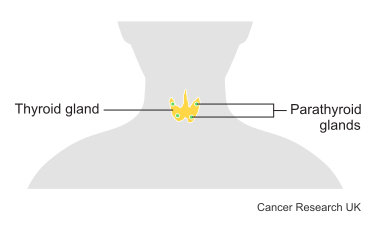
The position of the glands makes it difficult for a surgeon to remove the thyroid without damaging or removing the parathyroid glands during the operation.
The parathyroid glands make parathyroid hormone (PTH). Normally when the level of calcium in the blood drops, the parathyroid glands make more PTH. This increases the amount of blood calcium by making the:
bones release calcium into the blood
kidneys take more calcium back into the blood when urine is being made
intestines absorb more calcium from food
If the parathyroid glands have been removed or damaged, your body won’t produce enough PTH. This then means your calcium levels may fall below normal.
This is called hypoparathyroidism.
Many people don’t have any symptoms when their calcium levels are low. After surgery for thyroid cancer, your surgeon will check your blood calcium levels before you leave hospital.
You will also have regular check ups and blood tests to check your calcium levels. So your doctor may tell you that you have low calcium before you have any symptoms.
Symptoms of low calcium include:
painful muscle spasms and cramps
twitching of muscles
numbness or tingling in feet and hands
numbness or tingling around the mouth
Untreated low calcium can lead to more severe symptoms, such as:
anxiety and depression
dry, itchy skin
itching
fits (seizures), this is very rare
tiredness
finger and toe nail changes
Talk to your doctor if you have any of these symptoms.
Your doctor will prescribe calcium and vitamin D tablets for you if your blood calcium level is low. This usually keeps your blood calcium at a normal level. Eating foods with high levels of calcium will also help.
You will need to have calcium directly into the blood through a drip (intravenous infusion) if you have sudden symptoms of low blood calcium after head and neck surgery.
The organisation Hypopara UK offers information and support if you have hypoparathyroidism.
Last reviewed: 14 Nov 2024
Next review due: 14 Nov 2027
Read more about how cancer might affect the calcium levels in your blood and what this could mean for you.
Calcium is an important nutrient that our bodies need. Having cancer can affect the amount of calcium in the body.
A high blood calcium level is called hypercalcaemia. This usually happens in advanced cancer and is rare in people with earlier stages of cancer.
Search for the cancer type you want to find out about. Each section has detailed information about symptoms, diagnosis, treatment, research and coping with cancer.
The thyroid is a small butterfly shaped gland that makes and releases hormones. It’s found at the front of your neck in the lowest part.
Cancer and its treatment can cause eating and drinking difficulties in some people. But there are people that can help and things you can do to cope better.