Mental health and cancer
Feeling overwhelmed and out of control is common when you are first diagnosed with cancer. There is a lot of new information to take in and understand. You might experience a lot of different emotions. Some people become emotional more often – especially if someone mentions cancer. You might feel:
shocked
numb
angry
Or you might experience thoughts such as disbelief and ask, ‘why me?’
Read more about shock and denial
Many people feel anxious about:
starting treatment
what will happen in the future
what the impact might be on their loved ones
A cancer diagnosis can affect your mental health at any time, including when your treatment has finished. People react in different ways to a cancer diagnosis and find their own unique ways to cope.
Coming to terms with a very stressful life experience is difficult. It is not always a straightforward path. There is no right or wrong way to feel or be.
You may find that your emotions are very up and down. It is normal to have moments, sometimes days, of feeling angry and sad. Allow yourself to feel these feelings. Doing so will relieve you from the expectations to always be positive. These difficult moments will come and go.
You may:
have a feeling of loss. For some people, it can feel like grief for the plans they had for their life or what they thought their life would be
feel low, worried and panicked. If these feelings last for a long time and start to affect your day-to-day life, you may be suffering from an episode of depression or anxiety
find it more difficult to do your day-to-day activities
find focusing and concentrating difficult
feel tearful
feel angry
feel frightened
have sleeping problems because you feel anxious or have nightmares
feel more vulnerable and not as strong (resilient) as before
feel out of control
Read more about how cancer can make you feel
These feelings might feel more intense if you have an existing mental health problem. Or it might make the symptoms of your mental health problem feel worse.
You should let your cancer team know about any mental health problems you are experiencing. They can then discuss your support options with you.
If you have a mental health team, let them know about your cancer diagnosis. If you've received information from your mental health team in the past, review it again. It can be helpful to remind yourself what helped before.
Getting support can help you cope and maintain your quality of life.
The mental health charity Mind has more information on mental health problems. This includes treatment and self-care information.
You can ask for mental health support at any time. You don’t have to wait until you feel really bad to ask for help.
There are different types of support available. The type you need will depend on lots of things. This includes how you are feeling and what sort of support you feel you need at the moment. To start the process of getting support, you might consider:
telling your cancer team about your mental wellbeing
telling a mental health professional about your cancer
talking to someone you trust
We know this isn’t easy. The focus is often on the physical symptoms of cancer. Healthcare professionals might not ask you about your mental health. So you may need to take that first step. Healthcare professionals are trained at discussing these matters and can signpost you.
Mind has some information on how to talk to a healthcare professional about your mental health.
If you are currently seeing a therapist or are in other treatment for mental health, telling them about your cancer diagnosis can be helpful. They can work with you to adapt the support to this new challenge and signpost you to other services if needed.
This could be a friend, family member, or someone close to you. Letting the people close to you know how you feel can be very helpful to you and them. Knowing how you feel can help them to support you better.
It might feel like your cancer diagnosis is the most important thing right now. But it is OK to need mental health support at the same time and to form links with services that can support you.
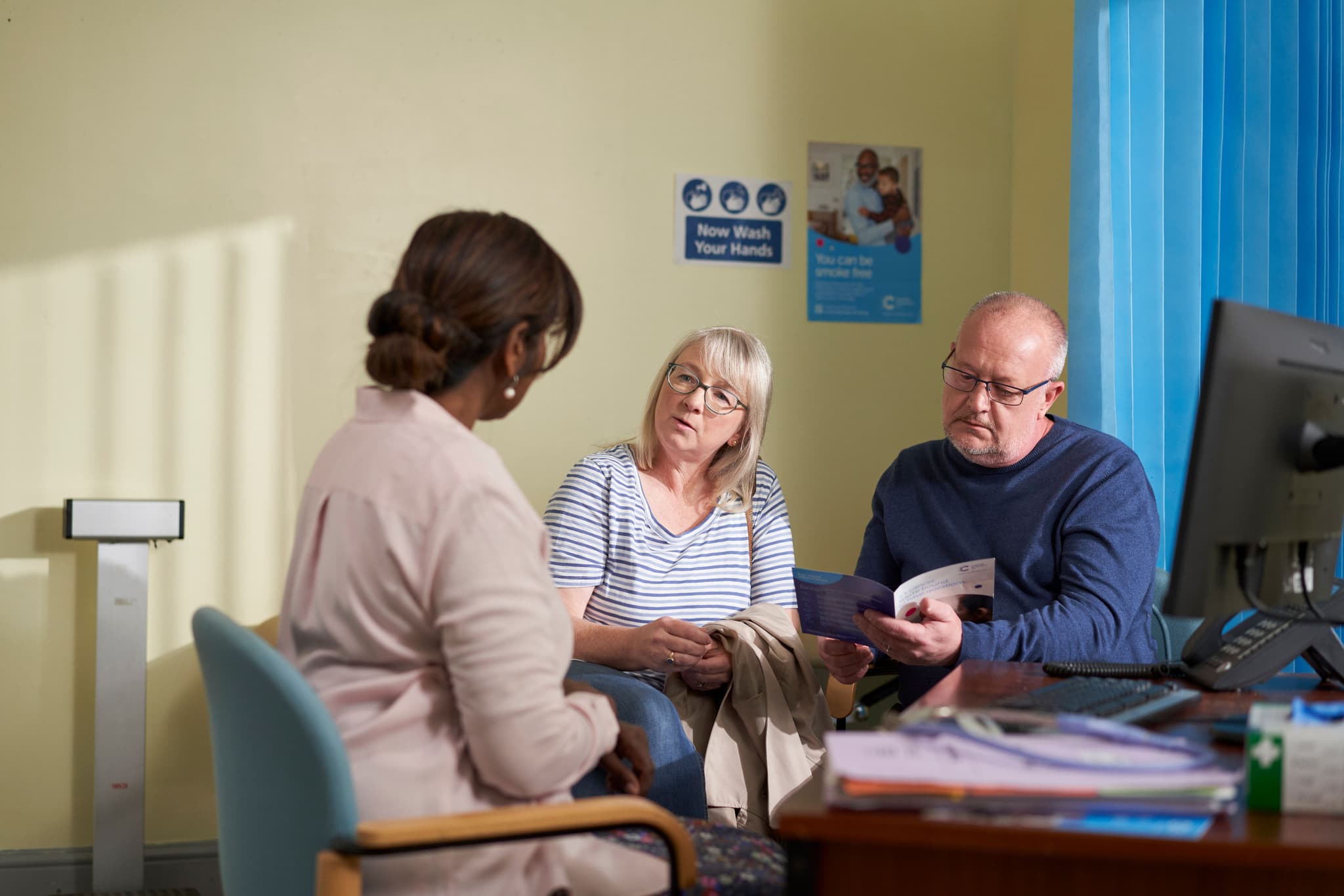
People vary in the support that they might need. There are lots of different types of mental health support. Some types of support might look mostly at your mental health. Other types might look at your mental health and cancer together. You can find information on the different support available to you from a few different sources.
They may be able to refer you for mental health support available in your area. This could be for things like talking therapy or support groups.
Cancer charities may have their own support groups or resources that help people with a specific type of cancer.
You can speak to others in the cancer community by using Cancer Chat, Cancer Research UK's online forum for people affected by cancer.
Charities like Mind or Rethink have information on the different types of mental health support available.
They have information on the different types of NHS mental health support, such as talking therapy and crisis services.
This could include support groups or religious groups. They might run their own support services for people from a specific background or religion.
It can be helpful to try and look after your mental health in more than one way. So, try a few different things and see what works for you.
We have more information on the above organisations.
Read more about where to get support for mental health
Maudsley Learning, part of the South London and Maudsley NHS Foundation Trust, has a set of cancer and mental wellbeing videos for people affected by cancer.
The videos have information and advice on what to do if a cancer diagnosis affects your mental health. They cover several topics, including:
breaking bad news
managing anxiety
common reactions to a diagnosis
relationships
Last reviewed: 12 Mar 2026
Next review due: 12 Mar 2029
After a diagnosis of cancer, you might have a range of feelings including fear, sadness, anxiety and depression. These are normal responses to a stressful life experience.
An information and support service is often a good place to start when you’re newly diagnosed and struggling with your mental health. But it will also depend on what support you need.
It is common to struggle with your mental health when you have cancer. This can happen during treatment or once treatment has finished.
Counselling can help you come to terms with your cancer. Understanding what it is and how it can help, can help you decide if it is right for you.
Cancer is a difficult topic to talk about. You might have doubts or concerns which stop you talking to your kids about a cancer diagnosis. It is not easy to decide what or when to tell them.
Whether you are someone with cancer or a carer for someone with cancer, we want you to know that it is common to struggle with your mental health when dealing with a cancer diagnosis. But there are people who can support you during this time and things you can do to help yourself.

About Cancer generously supported by Dangoor Education since 2010. Learn more about Dangoor Education



Search our clinical trials database for all cancer trials and studies recruiting in the UK.

Connect with other people affected by cancer and share your experiences.

Questions about cancer? Call freephone 0808 800 40 40 from 9 to 5 - Monday to Friday. Alternatively, you can email us.
